

- By Dr Sadhana Kala
- Sat, 30 May 2026 12:00 PM (IST)
- Source:JND
Here is a tribute to one of humanity’s most important and versatile food crops: the potato. The potato may seem ordinary on the dinner plate, but its journey through history, agriculture, culture, and cuisine is truly remarkable. From the snow-capped Andes of South America to the bustling street-food stalls of India, the potato has become a universal symbol of comfort, resilience, and nourishment.
In India, where potatoes quietly slip into everything from samosas and parathas to curries and chaats, the vegetable occupies a near-sacred place in everyday cooking. Yet beyond its culinary fame lies a larger story about food security, sustainability, and the future of farming in a climate-stressed world.
A Crop That Changed Human History
The potato originated nearly 8,000 years ago in the Andean highlands of present-day Peru and Bolivia, where Indigenous communities cultivated hundreds of varieties adapted to extreme mountain conditions. Spanish explorers introduced the crop to Europe in the 16th century, and over time, the potato transformed global agriculture.
Recommended For You



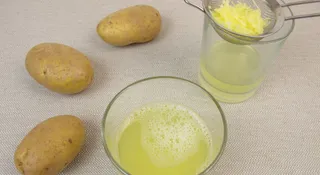

Unlike grains, potatoes could grow in poor soil, required relatively less land, and yielded more calories per acre. This made them a lifesaver during periods of war, famine, and population growth. Historians often credit the potato for helping fuel Europe’s population boom during the Industrial Revolution.
Today, farmers cultivate potatoes in over 150 countries, and billions of people consume them. According to the Food and Agriculture Organisation (FAO), potatoes rank among the world’s top food crops alongside rice, wheat, and maize.
India’s Deep Love Affair with Potatoes
India is currently one of the world’s largest potato producers, second only to China. States such as Uttar Pradesh, West Bengal, Bihar, and Punjab dominate potato cultivation, supplying both domestic markets and processing industries.
But what truly makes the potato unique in India is its democratic nature. It blends effortlessly into regional cuisines across cultures and income groups. Whether it is the aloo tikki of North India, Mumbai’s vada pav, Bengali aloor dom, or the masala dosa filling in the South, potatoes transcend geography and class.
Perhaps no vegetable has adapted itself so seamlessly into Indian kitchens. During fasting periods, potatoes become a staple ingredient because they are considered permissible in many religious traditions. In times of inflation, they serve as an affordable filler in meals. For street vendors and fine-dining chefs alike, potatoes remain indispensable.
The Science Behind the Superfood
Despite being unfairly dismissed in modern diet culture, potatoes are nutritionally rich when prepared healthily. They contain carbohydrates that provide energy, along with fibre, potassium, vitamin C, and antioxidants.
Boiled or baked potatoes can support digestion and satiety. They are naturally gluten-free and form a staple food source in many parts of the world. Purple and red potato varieties even contain phytonutrients linked to improved heart health.
Nutritionists frequently emphasise that the issue lies not with the potato itself, but with its method of consumption. Deep-fried chips, excessive butter, and processed fast foods have overshadowed the vegetable’s healthier possibilities.
As global conversations increasingly focus on sustainable nutrition, potatoes offer a compelling solution. They require less water compared to many staple crops and mature relatively quickly, making them attractive for regions facing climate stress.
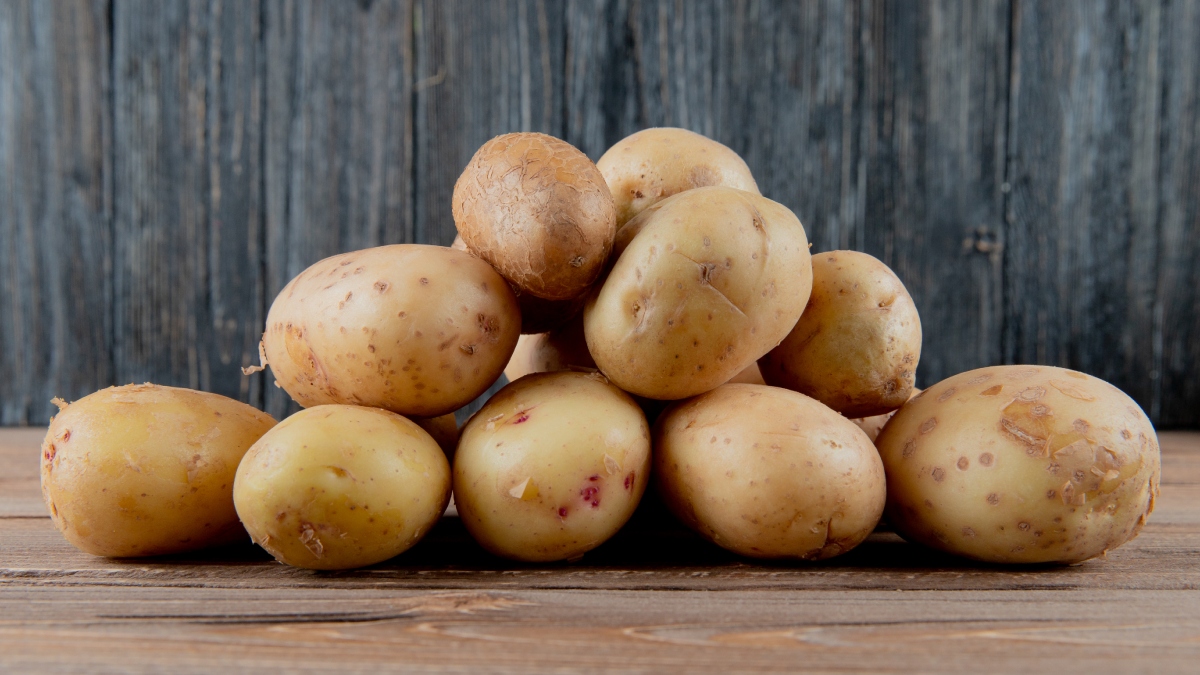
Where potatoes grow, livelihoods flourish. (Image:Magnific)
A Key Weapon Against Food Insecurity
The International Day of Potato is not merely about celebrating comfort food. It also highlights the crop’s role in addressing hunger and malnutrition.
The United Nations officially recognised the observance to increase awareness of the potato’s contribution to food security, nutrition, and livelihoods. In a world grappling with rising food prices, unpredictable weather, and shrinking agricultural land, resilient crops like potatoes are becoming increasingly important.
Potatoes can produce more food in less space and in shorter time frames than many cereals. This makes them particularly valuable to developing nations that are struggling with rapid urbanisation and population growth.
Scientists are also developing climate-resilient potato varieties capable of surviving droughts, pests, and changing temperatures. Research institutions across India and the world continue to innovate in seed technology and sustainable farming methods.
ALSO READ: Simple Kitchen Hacks To Keep Your Chips And Popcorn Crunchy For Longer
The Rise of Potato Innovation
The potato industry today extends far beyond farms and kitchens. It powers massive food-processing sectors, frozen food markets, and snack industries worth billions of dollars globally.
India’s growing appetite for French fries, chips, and processed snacks has driven demand for specialised potato varieties. Global food chains and domestic brands are investing heavily in contract farming and cold storage infrastructure to improve quality and reduce wastage.
At the same time, chefs and entrepreneurs are reinventing the potato in surprising ways. Gourmet restaurants experiment with heirloom potato varieties, artisanal chips, and potato-based desserts. Vegan and plant-based food movements are also exploring potatoes as ingredients in dairy alternatives and meat substitutes.
Even social media has contributed to the potato’s cult status. Viral recipes featuring crispy smashed potatoes, loaded fries, and innovative fusion dishes continue to dominate online food trends.
Climate Change and the Future of Farming
However, the future of potato farming is not without challenges. Rising temperatures, erratic rainfall, and soil degradation threaten yields across major agricultural regions.
In India, farmers are increasingly dealing with unpredictable weather patterns that affect crop quality and storage. Potatoes are particularly sensitive to temperature fluctuations, making climate adaptation strategies crucial.
Experts are advocating for better irrigation systems, climate-smart agriculture, improved storage facilities, and farmer education. Reducing post-harvest losses remains another urgent priority, especially in developing economies where infrastructure gaps often lead to food wastage.
The International Day of the Potato, therefore, serves as a reminder that agriculture is deeply tied to environmental sustainability. Protecting staple crops like potatoes is essential for feeding future generations.
ALSO READ: Sweet Potato Oats Tawa Pizza Recipe: Easy Steps To Make Healthy, Veggie-Loaded Pizza At Home
More Than Just Comfort Food
There is also an emotional connection people share with potatoes. Few foods evoke nostalgia quite like a hot plate of fries, mashed potatoes, or homemade aloo parathas. Potatoes often represent warmth, simplicity, and survival.
During crises, they become comfort food. During celebrations, they become indulgent. In many households, potatoes are the ingredient that stretches meals during difficult times.
Perhaps that is why the potato continues to endure despite changing food trends and culinary fashions. It is adaptable, affordable, filling, and universally loved.
As the world celebrates the International Day of the Potato, it is worth recognising that this humble vegetable is far more than just a side dish. It is a historical game-changer, an economic driver, a nutritional powerhouse, and a symbol of resilience in uncertain times.
In an era where food systems face mounting pressure from climate change, population growth, and inequality, the potato quietly reminds us that sometimes the simplest solutions can also be the most powerful.
(Note: Dr (Prof) Sadhana Kala is a USA-trained robotic & laparoscopic surgeon, Uppsala University, Sweden, trained fertility specialist, Icon Endoscopic Surgeon of North India, and National Icon Endoscopic Surgeon of India. She is rated as India's Best Gynecologist by Google.)
(Disclaimer: The views expressed in this article are the personal opinions of the author.)