
- By Ridam Sharma
- Mon, 03 Aug 2026 11:50 AM (IST)
- Source:JND
Iodised Salt vs Himalayan Salt: Salt is an important ingredient of a person’s daily meals. However, not all salts are equal in terms of nutrients. Often, Himalayan salt is marketed as ‘natural and mineral-rich,’ while iodised salt is labelled as ‘processed.’ However, not many know that the sodium content is almost identical in iodised salt and Himalayan salt.
The main difference is that iodised salt is packed with iodine in order to reduce the risk of developing iodine deficiency disorders. On the other hand, Himalayan salt has many trace minerals, but in very small quantities and does not have as much iodine. Let us see how the two salts differ from each other in terms of numbers.
What Is Iodised Salt?
Iodised salt is simply the table salt that has been fortified with iodine. It was developed during the 1920s to help avoid iodine deficiency diseases like goitre. It is processed and may contain additives to prevent caking.
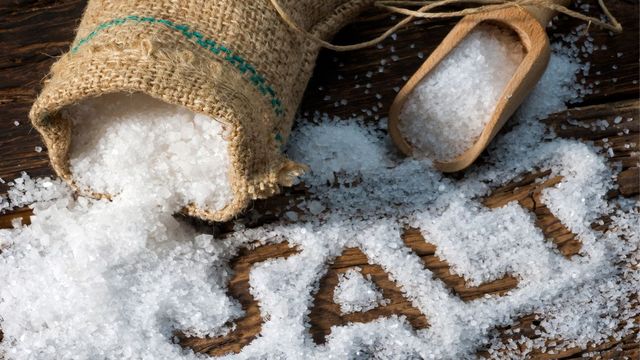
Salt in moderation always (Image Credits: Canva)
What Is Himalayan Salt?
Himalayan salt is an unprocessed form of rock salt mined from the Khewra Salt Mine located in Pakistan. The pink colour of this salt is due to iron oxide traces.
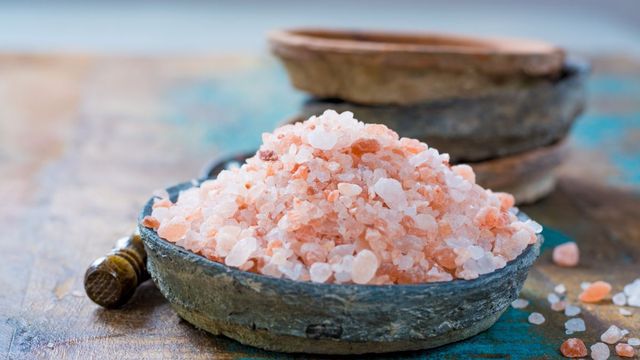
Pink Salt (Image Credits: Canva)
Sodium Content In Himalayan Salt vs Table Salt:
Salt Type | Sodium per 1 tsp |
Table/Iodised salt (fine) | 2,300 mg |
Himalayan pink salt (coarse) | 1,700–2,280 mg |
Source: Nutritionsource.hsph.harvard.edu
The table highlights that both salts contain almost the same amount of sodium. The minor difference exists mainly because pink salt crystals are coarser and less densely packed by volume, but by weight, the sodium chloride content of both salts is nearly identical, which is roughly 98 per cent.
Iodine Content Compared: Himalayan Salt vs Table Salt
Salt Type | Iodine per tsp | Percent of Adult RDA (150 mcg) |
Iodised salt | ~240-270 mcg (US fortification standard) | ~160% |
Himalayan pink salt | <2 mcg (trace, naturally occurring) | Negligible |
How Much Sodium Per Day?
In the U.S., iodised table salt contains roughly 45 mcg of iodine per gram of salt, and most adults need less than five grams (about one teaspoon) of salt per person per day for sodium reduction and also to help meet their 150 microgram iodine requirement, as the World Health Organization (WHO) recommends.
Does Himalayan Salt Have Iodine?
Himalayan pink salt contains about less than 0.1 mg (100 mcg) of iodine per kilogram of salt, which is far lower than daily thyroid needs, meaning you'd need to eat approximately over 1.5 kilograms of pink salt a day to meet iodine needs, which is both impossible and dangerous from a sodium standpoint. Addionally, pregnancy/breastfeeding needs are higher for iodine (220 mcg / 290 mcg)
Trace minerals are present in Himalayan salt but in amounts so tiny they offer no real nutritional benefit, and to get meaningful calcium or magnesium from Himalayan salt you'd need to eat dangerous amounts of salt.
Himalayan Salt Vs Iodised Salt For Thyroid?
Iodised salt is for the thyroid because of salt fortification. It is important to note that Himalayan salt consumers should get iodine from other sources (dairy, seafood, eggs, iodised salt occasionally) if relying on it as their primary salt; however, this is never recommended.
Iodised Salt Benefits:
Here is a list of benefits of Iodised salt to keep yourself safe from iodine deficiency disorders, according to the WHO.
1. Helps Prevent Iodine Deficiency
2. Supports Healthy Thyroid Function
3. Supports Brain Development During Pregnancy and Early Childhood
4. Reduces the Risk of Goitre
5. Easy and Affordable Source of Iodine
Lastly, it is important to note that Iodised salt should still be consumed in moderation. As too much sodium can also lead to the risk of high blood pressure and cardiovascular disease. The goal is to choose iodised salt and not to eat more salt.
ALSO READ: Want To Cut Salt From Your Diet? Here Are 5 Natural Alternatives
Is Pink Himalayan Salt Good For You?
Pink Himalayan salt can be used for its taste or texture, provided your overall diet supplies enough iodine.
Which Salt Is Healthier?
Lastly, sodium is nearly the same in iodised and Himalayan salt, but iodine is the real differentiator, and the ‘healthier’ choice depends on your individual iodine intake from the rest of your diet.
Iodised salt is better for general health for the majority of people since it contains iodine, which is a necessary nutrient many diets may lack. Pink Himalayan salt can be consumed occasionally for taste and crunch; however, it should not replace iodised salt unless adequate iodine comes from other sources.