
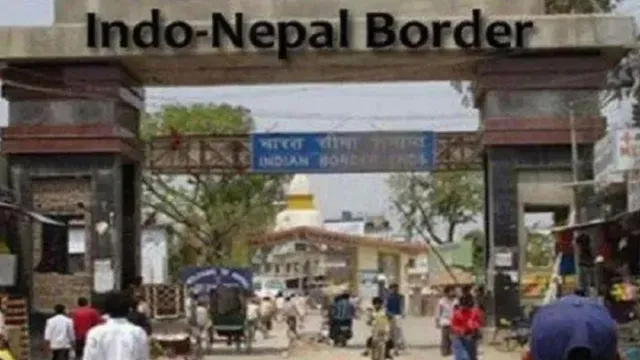
Indo-Nepal Border Trade: The cross-border trade between Nepal and India has always been linked to the lives of common people, but now the new rules of the Nepal government have created new stir in this relationship. Under the latest order, customs duty is now mandatory on all goods valued above 100 Nepalese Rupees. This decision has sparked significant concern among residents living in the border regions.
Following the formation of the new government under Prime Minister Balendra Shah, enforcement regarding vehicle customs has already been tightened. The addition of this new duty on low-value goods is expected to further compound the difficulties for locals. To ensure public awareness, Nepalese security personnel are using loudspeakers in border areas to announce the regulations, clarifying that no individuals, NGOs or government entities will be exempt from these charges.
ALSO READ: 'Commander In Grief': Iran Mocks Trump Over Fallout With Meloni, Offers ‘Ally’ Pitch to Italy
Impact On Daily Life And Local Trade
A large portion of the border population relies on cross-border markets for daily necessities and affordable shopping. The requirement to pay duty on items exceeding the Rs 100 threshold is set to directly increase daily living expenses.
Local traders fear a sharp decline in sales as consumer footfall drops, potentially crippling small businesses that depend on cross-border traffic. While sources suggest the move is intended to promote domestic Nepalese products, the immediate burden falls on common consumers and small-scale merchants.
Regional Implementation And Enforcement
Strict implementation has already commenced in areas like Navalparasi and adjacent parts of Uttar Pradesh, where Nepal Armed Police Force (APF) personnel are monitoring movement. However, some officials, such as those at the Gandak Barrage, noted they are still awaiting formal detailed instructions from higher authorities before full-scale enforcement begins.