
- By Shubham Bajpai
- Wed, 15 Apr 2026 10:24 PM (IST)
- Source:JND
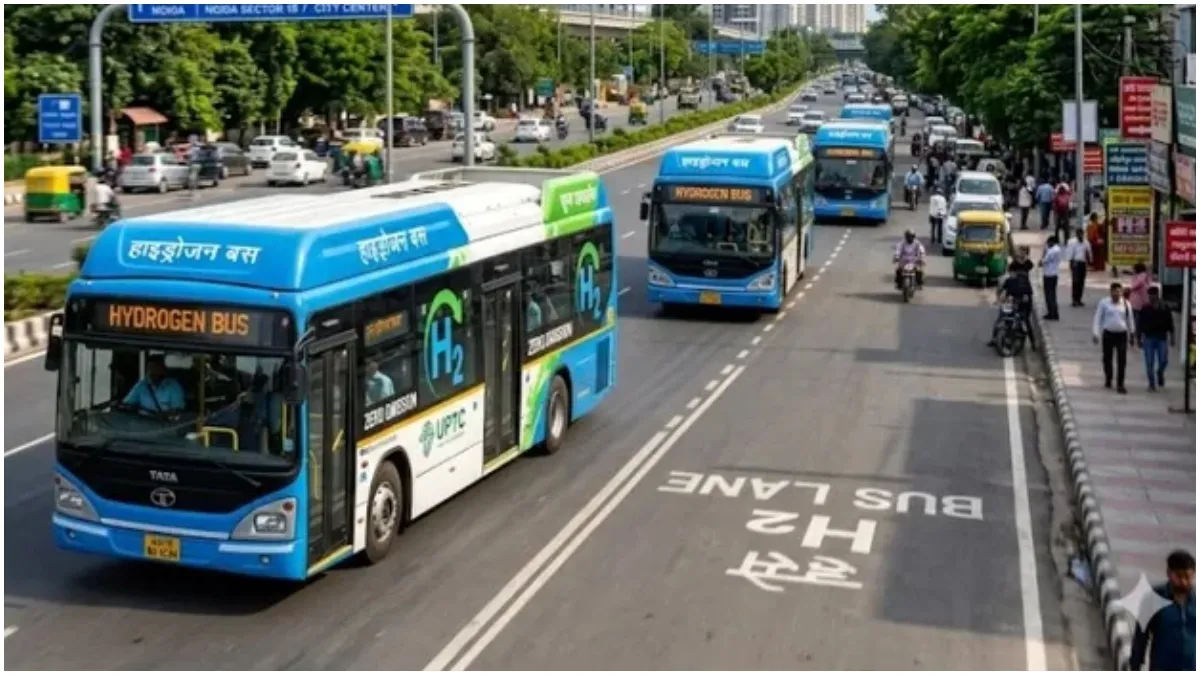
Girish Wagh, Managing Director and Chief Executive Officer of Tata Motors, on Wednesday said that hydrogen buses will start running on the roads in the near future and that Tata Motors is working on these buses. A 30-month pilot project is underway in collaboration with Indian Oil Corporation. Based on the outcomes, a future roadmap will be prepared.
Speaking to Jagran.com at the Tata Motors plant on Deva Road, Wagh said that trials began last year on three routes.
The trials are assessing the key aspects, including the effectiveness of this technology, how to develop the ecosystem at the filling station, and most importantly, how much green hydrogen will cost compared to diesel and electric.
After evaluating the trials, a decision will be made on the commercial production of hydrogen buses. Therefore, he added, a timeline cannot be set right now.
ALSO READ: Delhi Petrol, Diesel Vehicle Ban Announced: Who Is Exempt? Govt Issues Strict Order
Asked whether demand for electric vehicles has increased since the Gulf War, Wagh said that the petrol and diesel crisis has increased people's interest in EVs, but the figures haven't changed much yet. If diesel prices rise in the future, electric vehicle sales could surge. However, he said he believes electric charging networks are a major challenge that needs to be addressed.
Land acquired in 1985, production began in 1992
The foundation stone of the Lucknow plant was laid during the tenure of former Chief Minister Narayan Dutt Tiwari. In 1985, the Uttar Pradesh Industrial Development Authority acquired 600 acres of land and allotted it to Tata Motors. Production began in October 1992.
ALSO READ: Mumbai Unveils India's First Driverless Pod Taxi for BKC Decongestion
The lockdown prompted the shutdown of the plant for three months, disrupting the supply chain and resulting in a shortage of parts. However, Tata Motors remained resolute and focused on EVs.
Tata Motors, in collaboration with Marcopolo, began assembling electric buses in 2022. Of the 1 million vehicles produced so far, 60 per cent are commercial trucks, 25 per cent are buses, and the remainder are assembled vehicles, Wagh said.