
- By Surarika Das
- Tue, 14 Apr 2026 02:14 PM (IST)
- Source:JND
The political stage of West Bengal is dominated by women's power. Be it the state chief minister Mamata Banerjee or leaders such as Mahua Moitra and Agnimitra Paul. In the last few years, women leaders as well as voters have risen in the electoral process and will make a significant impact in the polls scheduled at the end of April.
To get the crux as to why the women's participation matters in Bengal, one must know the electorate itself. West Bengal has over 6.75 crore voters, of whom 3.44 crore are women and 3.60 crore are men. Women make up almost half the electorate, making them decisive in closely contested elections.
ALSO READ: Delhi-Dehradun Expressway: Strict Rules And Speed Limits You Must Know To Avoid Challans
Data on turnout demonstrates their consistency. Women's turnout in 2021 was 81.75 per cent, a little higher than men's (81.37 per cent). Over the years, women's participation has remained strong and frequently somewhat higher than men's, so this is not a unique trend.
How Did Mamata Branded Women Support
The Mamata Banerjee government built its political presence among the women voters through its well-structured welfare delivery. The CM tried to build an emotional connection with the woman by meeting common people and adrssing their issues. A CSDS post-poll survey found that Trinamool Congress is the only major party in India that consistently receives more votes from women than men, India Today reported.
ALSO READ: The Curious Case Of Yuvraj Singh's BMW M5: Lalit Modi, Six Sixes And Porsche 911
One of the most attractive schemes introduced by TMC is the Laxmir Bhandar. Launched in 2021, it began as a direct monthly transfer of Rs 500 to women beneficiaries. Over time, the amount was increased repeatedly, reaching Rs 1,500 for general category women and Rs 1,700 for SC and ST beneficiaries.
Other significant schemes include Rupashree, which provides Rs 25,000 at marriage to over 22 lakh women. Kanyashree, another women-centric scheme, has supported nearly one crore girl students with over Rs 16,554 crore in expenditure and further deepened this welfare network.
How Is The BJP Countering TMC
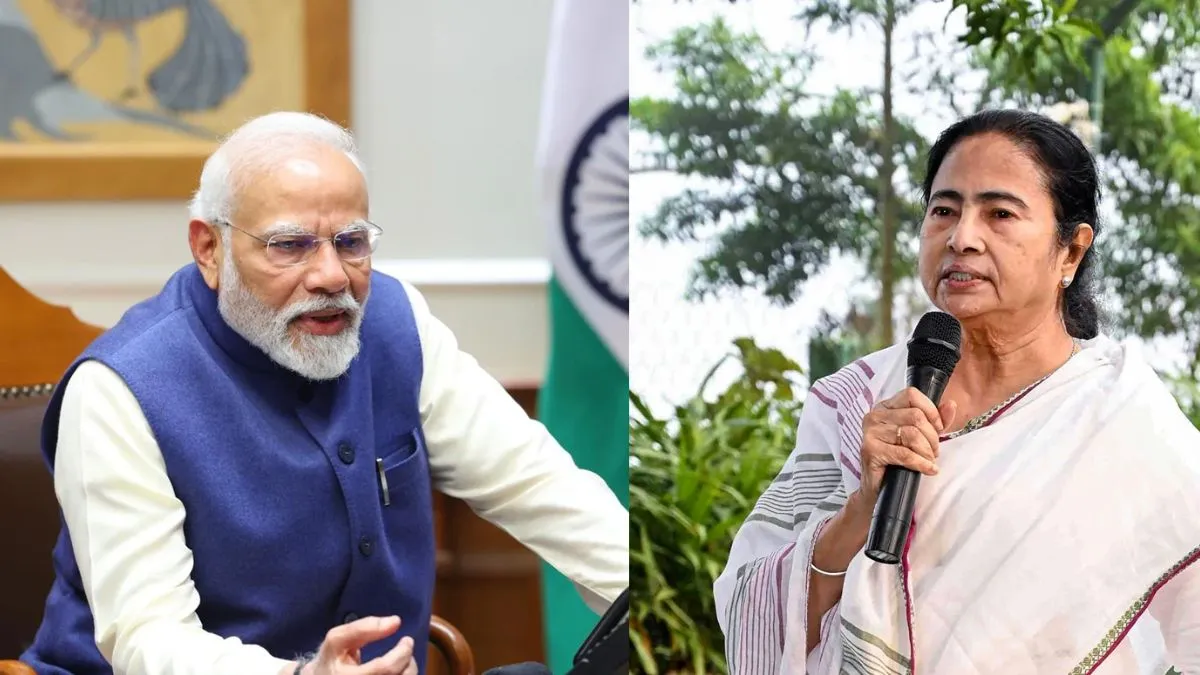
A few days ago, PM Modi spoke at rallies in Purba Bardhaman and Murshidabad, with a strong emphasis on women voters. "I have come especially to assure all the sisters and daughters of Bengal," he declared. The BJP has declared that women will receive Rs 3,000 per month.
The key attraction of BJP's pitch is the promise of 3,000 per month, which is almost double the benefit currently provided by the state government. The announcement seems like a direct challenge to the TMC.
Addressing a rally in Birbhum, PM Modi labelled the Bengal election a fight for women’s dignity and safety. Referencing the RG Kar Medical College rape-murder, he said, “This election is for the dignity and honour of our daughters and women.”
Ratna Debnath, the mother of the RG Kar victim, was chosen as the BJP's candidate in Panihati, giving the campaign's theme more symbolic weight. PM Modi also pledged in Cooch Behar that starting in 2029, women would have a 33% reservation in state and federal assemblies. The BJP's targeted appeal to Bengal's female voters consists of three parts: cash, safety, and representation.
The TMC recently, gave its Rajya Sabha membership to Maneka represented the West Bengal government in the RG Kar Medical College rape-and-murder case. She is widely known for her work in the Section 377 case and as an advocate for constitutional law and LGBTQ+ rights, she is the first openly LGBTQ+ parliamentarian in India's Rajya Sabha.
Safety Or Money: What Will Bengal Choose
Bengal's political air now blows around two narratives. The Mamata Banerjee-led TMC government's key agenda for securing female votes is providing monthly transfers and immediate benefits backed by a proven track record. Her strategy rests on long-term trust built through sustained welfare distribution.
The BJP is attempting to shift the focus of people from economic benefits of women to safety concerns. The party repeatedly draws references to the RG Kar and South Calcutta Law College rape cases. Senior leaders like Suvendu Adhikari have repeatedly claimed that women in Bengal remain unsafe despite having a woman chief minister, using these incidents as central evidence.
On April 23 and 29, they will cast their ballots. Additionally, people will choose not only a government but also the course of Bengali politics on May 4.