
- By Brand Desk
- Mon, 06 Apr 2026 06:39 PM (IST)
- Source:Brand Desk
Air pollution is often associated with industrial zones or metropolitan cities, but poor air quality is not limited to outdoor environments. There are a lot of factors that make even indoor air unsafe to breathe. Microscopic dust particles, chemical residues, and other airborne pollutants can gradually accumulate through everyday activities such as cooking, cleaning, or limited ventilation.
The impact of polluted air is significant. Research shows that practical interventions can make a measurable difference. For instance, studies indicate that using a HEPA-based air purifier can reduce indoor PM2.5 levels by more than 50 percent under controlled conditions.
Therefore, it is important to adopt simple, effective strategies that help reduce exposure and maintain cleaner air within the home. The following approaches can help safeguard indoor environments from unhealthy air.
1. Use a True HEPA Filter Air Purifier at Home
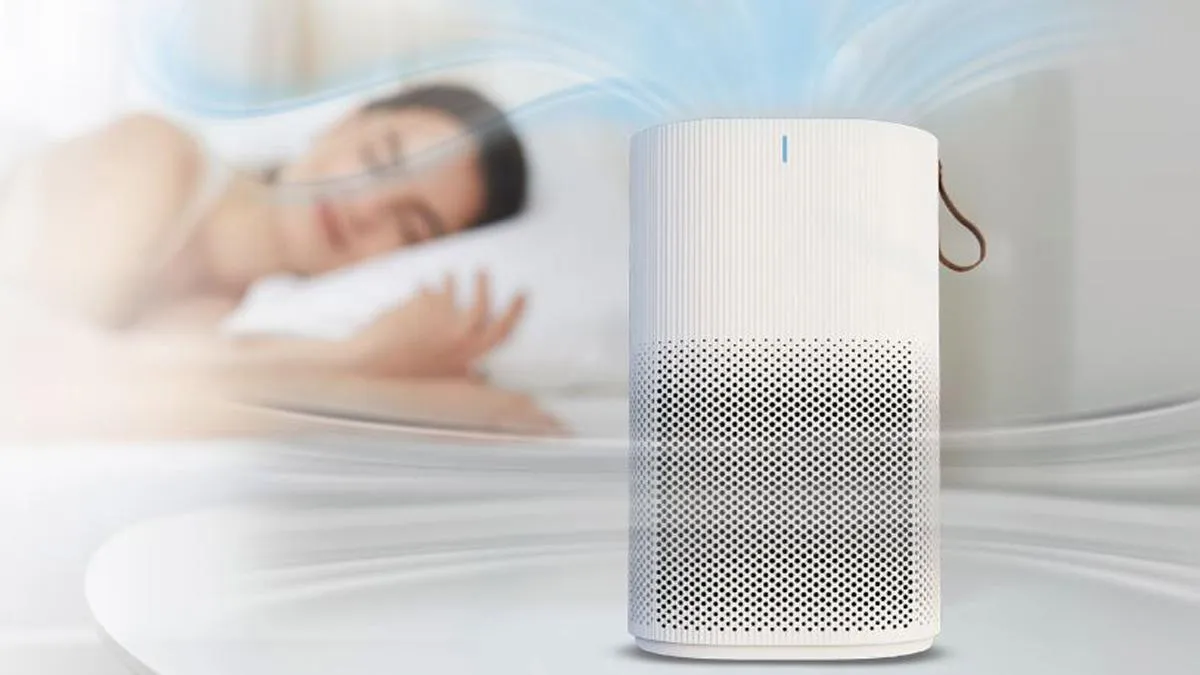
The most reliable protection against airborne pollutants such as dust, smoke, pollen, and fine particulate matter is an air purifier equipped with a HEPA filter.
True HEPA filters are designed to capture extremely fine airborne particles, including allergens and microscopic pollutants that ventilation alone cannot address effectively. A well-chosen home air purifier can significantly improve the quality of the air you breathe, particularly in bedrooms and living spaces where exposure time is highest.
While selecting a purifier, it is important to compare factors such as coverage area, maintenance needs, and even the HEPA filter price, since filter replacement cycles influence long-term operating costs.
Also, ensure you regularly check on your air purifier, clean pre-filters monthly, and change HEPA filters according to the manufacturer’s instructions. This will ensure that the air purification system is running at its highest efficiency.
2. Close the Windows of Your Home During Peak Pollution Hours
Air pollution levels tend to rise during early mornings and late evenings. During these hours, keep your windows and doors closed to prevent polluted air from entering your home. Running your air purifier at a higher speed during this time can further help maintain cleaner indoor air.
3. Use Indoor Plants Wisely
Some indoor plants, such as peace lilies, pothos, or snake plants, can help to remove some airborne pollutants and serve as a decorative element in your home. They will not replace the need for an air filter, but they will work in conjunction with your air-cleaning efforts. Use them in rooms you ventilate when pollution dips; they thrive with some fresh air.
4. Reduce Indoor Pollutant Sources
Reducing indoor pollution at the source is powerful. At your home, do these steps to keep the air fresher:
- Avoid burning too many incense sticks, using strong air fresheners, or smoking indoors
- Limit activities that release volatile organic compounds (VOCs)
- Use low-VOC cleaners like vinegar or baking soda instead of chemical sprays
When there are fewer pollutants inside, the air purifier works more efficiently.
5. Keep The Home Space Clean
Dust and allergens circulate when you don’t maintain your living space.
- Mop or vacuum at least once a week.
- Damp cloth cleaning instead of dry dusting, as it tends to send particles back into the air.
Conclusion
Protecting yourself in a polluted environment is about combining effective technology with improved everyday habits. Installing a home air purifier with a genuine H13 HEPA filter while minimising indoor pollutant sources, maintaining cleanliness, and optimising ventilation can help you achieve healthy and clean air indoors.
If you are looking for the best air purifier, choose the one that purifies air consistently and helps you get the environment that you need.
Eureka Forbes offers a range of portable air purifiers made for real-world conditions related to indoor pollution. These systems come with features that support lasting indoor air quality improvements, such as:
- Advanced HEPA Filtration – Captures fine particulates and helps reduce PM2.5 levels.
- Auto-Sensing and Smart Modes – Adjusts performance based on real-time air quality.
- Low Maintenance Design – Easy filter access and long service intervals for hassle-free use.
- Multi-Stage Purification – Combines HEPA, activated carbon, plasma filtration, and specialised filter like ioniser for comprehensive pollutant removal.
- Quiet and Energy-Efficient Operation – Suitable for living rooms, bedrooms, and
- workspaces.
Over time, small but consistent steps help create a healthier living environment where cleaner air becomes part of everyday life rather than an occasional concern.
(This article was written by Brand Desk.)